The first hot week of July hits Nashville, the AC kicks on, and it does not seem to stop. You finally sit down after cleaning the house, only to see a fresh layer of dust on the coffee table the next day. At that point, it is natural to wonder if the problem is hiding in your ductwork, and how often you really need to get those air ducts cleaned.
We have been cleaning air ducts in and around Nashville since 1985, and the most common question we hear is, “How often should air ducts be cleaned?” Most people expect a simple number. The honest answer is more useful than that: in Nashville, the right schedule depends on your home, your habits, and our climate, not just the calendar.
The Honest Answer: It Depends on Your Home, Not Just the Year
If you have ever read that ducts should be cleaned every 3 to 5 years, you have only seen part of the story. The National Air Duct Cleaners Association, or NADCA, actually recommends that homeowners follow an annual inspection schedule and clean the system when a qualified technician finds that it is needed.
Inspection and cleaning are two different services. An inspection is a checkup. A NADCA technician looks at the supply and return duct system, the HVAC air handler and plenum, and other components to see how much buildup or contamination is present. Cleaning is the deeper service that uses tools like negative-pressure vacuuming and agitation devices to remove that buildup.
For an average home with no special risk factors, that 3 to 5 year range can be a decent baseline for how often you might end up needing a full cleaning. But if you treat that as a hard rule, you can wind up in one of two bad spots: paying for cleaning when your ducts are still relatively clean, or waiting so long that you are breathing years of accumulated dust and debris.
Why Nashville Homes Get Dirty Ducts Faster Than Most
Nashville is not a generic climate, and your ductwork feels that every day. We live in a humid subtropical zone where summer humidity regularly climbs above 70 percent. When warm, moist air passes through cool metal ducts, you can get condensation in the system. That moisture creates a friendlier environment for mold spore accumulation in ductwork and dust mites, especially if dust has already built up.
On top of that, Middle Tennessee pollen season is a marathon, not a sprint. Oak, maple, and hickory trees keep the pollen counts active from late winter into fall. Every time you open a door or run your system with a less effective filter, more of that pollen can be pulled through return grilles and into the duct system. If the HVAC air handler is not well sealed, outdoor contaminants can leak in there too.
Older homes carry their own challenges. In historic neighborhoods like East Nashville and Germantown, many houses were built before modern filtration standards. Original ductwork in these homes can hold decades of dust, construction debris, and even bits of old insulation. The combination of older ducts, Nashville humidity, and long pollen seasons means those homes usually need more frequent assessment and, often, more frequent cleaning.
Factors That Shorten Your Cleaning Timeline
Every household is different, so it helps to look at what is happening inside your walls, not just outside in the Nashville weather. Certain conditions tend to speed up how quickly ducts get dirty.
- Pets and shedding: One dog or cat will add hair and dander to your system. Multiple shedding pets can turn a 3 to 5 year range into more like every 2 to 3 years for many homes, especially if filters are not changed regularly.
- Asthma, allergies, or sensitive lungs: If anyone in your home has asthma, chronic respiratory issues, or strong seasonal allergies, you may want more frequent inspections and cleanings. Cleaner ducts can support better indoor air quality, or IAQ, so many families in this situation aim closer to the 2 to 3 year mark.
- Indoor smoking or heavy candle use: Smoke particles and soot from candles can cling to dust inside your ductwork. Over time, this creates sticky films and dark residue that regular filtration will not catch.
- Recent remodeling or construction: Drywall sanding, cutting tile, tearing out old carpet, or blowing insulation into an attic releases fine particles that travel everywhere. If you have had major work done, it is usually smart to schedule an air duct inspection, and often a cleaning, right after the project, no matter when your last service was.
- Water leaks or moisture problems: A roof leak, flooded crawl space, or backed-up condensate line can introduce moisture to areas near your duct system. If you ever see visible mold growth around vents or inside accessible duct sections, that is a reason to call a professional immediately, not something to put on a future calendar.
Signs Your Ducts Are Telling You Something Right Now
You do not need tools or training to spot some of the earliest warning signs. A few simple checks can tell you a lot about whether your air ducts might need attention soon.
- Dust puffs from vents: When your system kicks on, do you see small bursts of dust coming out of the registers? That can be a sign that loose dust is sitting inside the ducts and getting blown into your rooms.
- Dust that keeps coming back: If you wipe a surface and see a fresh layer of dust the next day, even when you are keeping windows closed, your system could be circulating more particles than it should.
- Musty or stale odors: A musty smell when the AC or heat turns on can point to moisture issues, microbial growth, or heavy debris inside the ductwork or air handler.
- Uneven airflow from room to room: Some airflow problems come from design or mechanical issues, but buildup inside ducts can also restrict air. If certain vents feel weak while others are strong, that is worth checking.
- Unexplained higher energy bills: As ducts clog with dust and debris, the system has to work harder to push air through. That extra strain can show up on your utility bill, especially during Nashville summers when systems already run a lot.
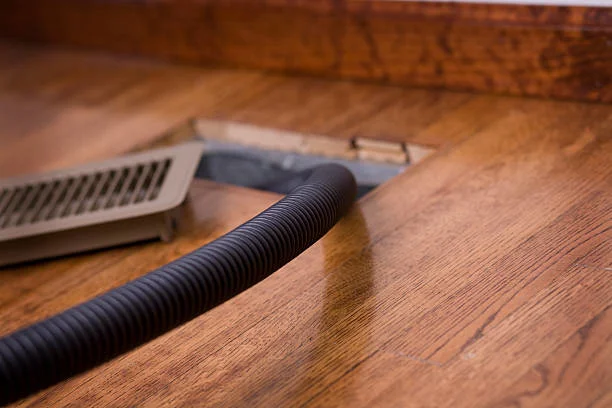
- What you see with a flashlight: You can carefully remove a vent cover and look inside with a flashlight. A thin gray film on metal is normal. Thick mats of dust, clumps of debris, or dark, sticky-looking residue are strong signs that it is time to talk to a professional.
What to Look for in a Nashville Duct Cleaning Company
Once you suspect your ducts need attention, the next question is who should do the work. Duct cleaning is one of those services where the quality of the work matters as much as how often you have it done. That is where NADCA and certification come in.
NADCA sets the ACR Standard, which stands for Assessment, Cleaning, and Restoration. It is an industry standard that tells professionals how to inspect a system, the right source-removal cleaning method to use, and how to handle restoration when something inside the ducts is damaged or contaminated.
The Air Systems Cleaning Specialist, or ASCS, certification is NADCA’s core credential. To earn it, a technician has to pass a proctored exam that covers HVAC system design, how contaminants behave, proper negative-pressure vacuuming techniques, and how to follow the NADCA ACR Standard in real homes and buildings. It is not a one-and-done card, either. Technicians have to renew it yearly and complete continuing education to keep it active.
NADCA-member companies are required to have at least one ASCS-certified technician on every job site, not just on the payroll. Homeowners can check a company’s status any time at nadca.com, which is a simple way to verify that you are hiring someone who follows those standards.
At Duct Doctor Nashville, our technicians are NADCA Certified Air Systems Cleaning Specialists, and we have been focused on duct cleaning work since 1985. As a veteran-owned company, we bring a disciplined, detail-driven approach to every project, whether it is a small condo near downtown or a large historic home in Germantown.
What You Can Do Between Cleanings
The gap between cleanings is not just dead time. A few small habits can stretch out how often air ducts need to be cleaned in your Nashville home and keep indoor air quality in a better range.
- Stay on top of filters: Replacing HVAC filters every 1 to 3 months is one of the easiest and most powerful steps you can take. In our high-humidity, high-pollen environment, using a quality MERV-rated air filtration option that fits your system can capture more dust and allergens before they ever hit the ducts.
- Keep vents and returns clean: Wiping down vent covers and return grilles with a damp cloth every few weeks keeps surface dust from getting pulled back into the system. If your return grille is caked with dust, your filter is working too hard, and more debris is likely slipping by.
- Watch the Nashville air quality reports: The Nashville Metro Public Health Department publishes a daily Air Quality Forecast and Pollen Count. On days with high pollen or poor air quality, keeping windows closed and running your system with a good filter can reduce how much makes its way into your ducts.
- Schedule annual HVAC checkups: Even when you do not think you need a full duct cleaning, an annual inspection of the HVAC system gives a trained technician the chance to look inside key sections of the ductwork. That inspection-first approach lines up with NADCA guidance and keeps you from guessing about timing.
- Manage moisture: Use exhaust fans when cooking and showering, address leaks quickly, and keep an eye on any spots where condensation tends to form. The drier you keep problem areas, the harder it is for mold or mildew to gain a foothold in or around your duct system.
So, How Often Should Your Air Ducts Be Cleaned in Nashville?
If you are looking for a single number, here is the closest honest summary we can give. In a typical Nashville home with decent filtration, no major moisture problems, and no extra risk factors, many families land somewhere around a 3 to 5 year interval for full duct cleanings, with annual inspections in between.
Add in shedding pets, asthma or allergy concerns, heavy smoking indoors, recent renovations, or older ductwork in historic neighborhoods, and that timeline can shorten to every 2 to 3 years, or even sooner after a big construction project. Because our humidity, long Middle Tennessee pollen season, and older housing stock all push in the direction of dirtier ducts, an inspection-first plan is usually smarter than waiting for a specific date on the calendar.
If you are noticing dust, odors, or other signs that something might be going on in your ducts, it may be time to have a NADCA-certified team take a look. At Duct Doctor USA of Nashville, we offer free estimates, same-day scheduling whenever we can, weekend appointments, and 24/7 emergency service, with bilingual English and Spanish support if you need it. If you are ready to find out what is really going on in your ductwork, you can always reach us at (270) 633-6777 to talk through what you are seeing and whether an inspection or a full cleaning makes sense for your home.